
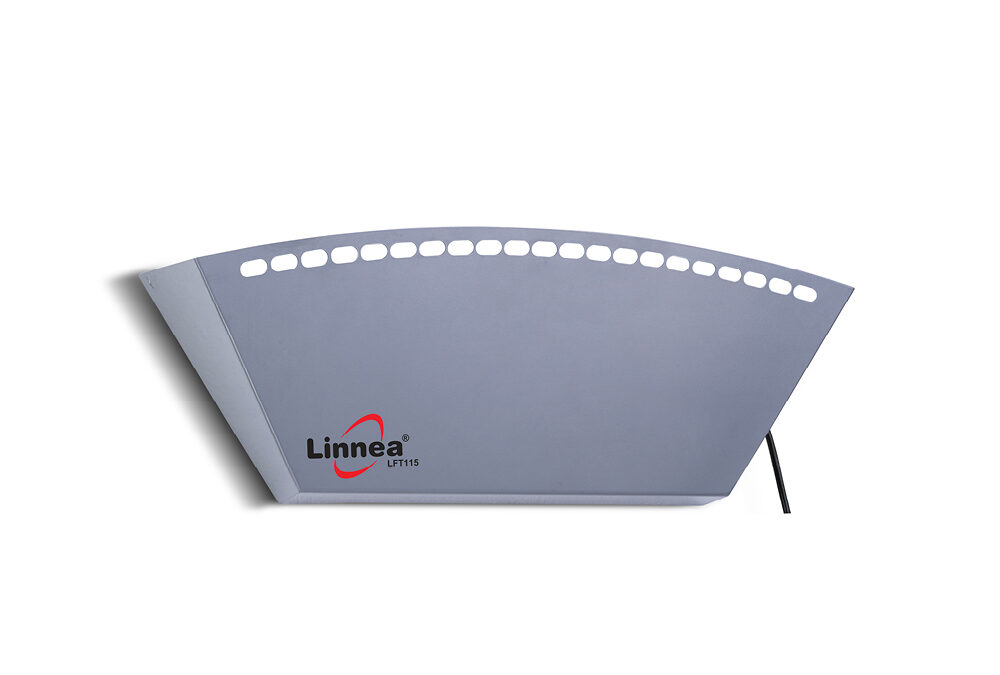
A fly catcher machine is a device that uses ultraviolet (UV-A) light to attract flying insects, then traps them on a sticky glue board or kills them on an electrified grid. It works best when mounted about 1.5–2 metres high, away from windows, food-prep surfaces and competing light, near the entry points where flies come in.
Flies are more than a nuisance. In a restaurant kitchen, a bakery, a hospital ward or a home kitchen, they land on food and surfaces and carry germs with them. Sprays help for a moment, but they leave chemical residue and do nothing about the next fly that comes through the door. That is why more businesses and homes are switching to a fly catcher machine: it works all day quietly, uses no chemicals, and keeps catching flies after you stop paying attention.
What is a fly catcher machine?
A fly catcher machine (also called a fly trap machine, fly killer machine or insect killer machine) is a light-based device that attracts flying insects such as house flies, mosquitoes and moths and removes them from a space without sprays. It combines two parts: a UV light source that pulls insects in, and a capture system that holds or kills them.
You will find them in commercial kitchens, food factories, hotels, hospitals, pharmacies, supermarkets, dairies and, increasingly, homes.
How does a UV fly catcher machine work?
A UV fly catcher machine works in three simple steps:
- Attract. Special tubes or LEDs give off UV-A light, usually around the 350–370 nm wavelength range. Many flying insects see this ultraviolet light far better than humans do and are naturally drawn towards it.
- Approach. The fly heads towards the glow and lands on, or flies into, the unit.
- Capture. Depending on the model, the fly either sticks to a glue board behind the light or is killed by a low-current, high-voltage grid.
Because the light does the work, the machine keeps catching insects around the clock with no chemicals, no smell and no effort from staff once it is installed.
Glue board vs electric fly catcher machine: which one should you choose?
Both types use UV light to attract flies. The difference is what happens next.
| Feature | Glue board fly catcher | Electric fly catcher machine |
| How it catches | Flies stick to a replaceable glue board | Flies are killed on a charged metal grid |
| Noise | Silent | Audible “zap” |
| Hygiene | Insects stay trapped on the board | Insect fragments can scatter around the unit |
| Best for | Kitchens, food handling, hospitals, front-of-house | Warehouses, garages, back areas, outdoor sheds |
| Maintenance | Replace glue board when full | Empty the tray, clean the grid |
| Discreet look | Many slim, decorative designs | More visible, industrial design |
The short version: choose a glue board model anywhere food is prepared, served or stored, or wherever customers can see the unit. Choose an electric fly catcher machine for non-food areas where noise and appearance matter less.
Where should you install a fly catcher machine?
Install a fly catcher machine where flies enter and gather, not where you want to keep them away from. The best spot is usually near doors, loading bays or waste areas, mounted 1.5–2 metres above the floor, out of direct sunlight and away from any open food.
Getting the location right makes a bigger difference than buying a more powerful machine. Follow these placement rules:
1. Mount it at the right height
House flies tend to fly at a height of about 1.5–2 metres indoors. Wall-mount or place the unit at roughly this height so it sits in their flight path. Ceiling-hung units work in large, high spaces, but avoid placing them so high that the light is above where flies actually move.
2. Place it near entry points, but inside
Put the machine a few metres inside doors, service hatches, loading bays and near bins. It catches flies as they come in, before they reach food areas.
3. Keep it away from food and food-prep surfaces
Never install a fly catcher directly above a prep table, cooking range, display counter or open food. This matters most for electric models, where insect parts can fall or scatter. Keep the unit to one side or across the room from food.
4. Don’t let it face windows or glass doors
If the UV glow is visible from outside, it can draw more flies in from the street. Place the unit so its light faces into the room.
5. Avoid competing light and strong drafts
Direct sunlight and bright lights reduce how well the UV light stands out. Fans, air curtains and air-conditioning vents push insects away from the trap. A calm, slightly dim corner works best.
6. Match the number of units to the space
Each model covers a set area, which the manufacturer states. Large kitchens, factory floors and warehouses usually need several units spread around entry points rather than one big unit in the centre.
Best places to install a fly catcher machine, by location
| Location | Where to put it | Recommended type |
| Restaurant or hotel kitchen | Near back door, dishwashing area and bins, away from the cooking line | Glue board |
| Bakery, sweet shop or café | Near entrance, beside (not above) display counters | Slim glue board |
| Food factory or dairy | Near loading docks, airlocks and entrances to production | Glue board |
| Hospital, clinic or pharmacy | Corridors, pantries, waste rooms | Glue board |
| Supermarket or grocery store | Near entrance, fruit and vegetable section, store room | Glue board |
| Warehouse or godown | Near shutters and loading bays | Electric |
| Home kitchen or dining area | Corner near the kitchen door or balcony, away from the stove | Compact glue board or electric |
| Cattle shed, poultry or garage | Near openings, above head height | Electric |
How to maintain a fly catcher machine
A fly catcher machine is low maintenance, but it is not “set and forget”:
- Replace UV tubes about every 12 months. UV output fades over time even when the tube still looks bright, so a tube can glow but no longer attract flies well. Many businesses change tubes before summer, when fly activity peaks.
- Change glue boards regularly. Replace them once they are filling up or dusty, usually every few weeks in busy areas.
- Clean electric grids and trays. Switch off and unplug first, then empty the catch tray and brush the grid.
- Keep it switched on 24/7. Flies are active at different times, so the machine works best when it runs all the time.
- Keep a catch log (for businesses). Noting what each unit catches helps you spot problem areas and supports food-safety audits.
Benefits of using a fly catcher machine
- Chemical-free: no sprays near food, staff or customers.
- Works all day and night: continuous protection with no extra effort.
- Supports hygiene and audit standards: helps food businesses show active pest control.
- Low running cost: typical units use little electricity.
- Safe for people: UV-A tubes in these machines are designed for insect attraction, and electric grids are enclosed behind guards.
Choosing the right fly catcher machine
Before you buy, check four things: the area it covers, whether it is a glue board or electric model, the type of light (UV tube or UV LED), and how easy it is to buy replacement tubes and glue boards. [Flintron Tech] offers UV fly catcher machines for kitchens, food businesses and homes, with genuine replacement tubes and glue boards.
[Explore our fly catcher machines] or [CTA: Talk to us for a placement recommendation].
Frequently asked questions
Does a UV fly catcher machine really work?
Yes. A UV fly catcher machine works because many flying insects are strongly attracted to UV-A light. It catches the most flies when it is placed correctly, at about 1.5–2 metres high, near entry points and away from competing light, and when its UV tubes are replaced about once a year.
Is a fly catcher machine safe for humans?
Yes. Fly catcher machines use UV-A light designed to attract insects, and electric models enclose the charged grid behind a protective guard so fingers cannot touch it. Follow the manufacturer’s instructions, keep units out of reach of children, and unplug before cleaning.
Which is better: a glue board or an electric fly catcher machine?
A glue board fly catcher is better for kitchens, food areas, hospitals and customer-facing spaces because it is silent and keeps insects trapped. An electric fly catcher machine suits warehouses, garages and back areas where noise and scattered insect parts are less of a concern.
Where should I not place a fly trap machine?
Do not place a fly trap machine directly above food or food-prep surfaces, facing windows or glass doors, in direct sunlight, or in the path of fans, air curtains and AC vents. These spots either contaminate food, draw in insects from outside or stop the trap from working well.
At what height should a fly catcher machine be installed?
Install a fly catcher machine about 1.5 to 2 metres above the floor. This is the height at which house flies usually fly indoors, so the UV light sits right in their flight path.
How often should I change the UV tube in a fly catcher machine?
Change the UV tube roughly every 12 months. The tube’s UV output drops over time even when it still glows, which makes the machine less effective. Many businesses replace tubes just before the summer fly season.
Can I use a fly catcher machine at home?
Yes. Compact glue board or electric fly catcher machines work well in home kitchens, dining areas and near balcony doors. Place the unit in a corner away from the stove and food, facing into the room rather than towards a window.
Does a fly catcher machine catch mosquitoes too?
A fly catcher machine can catch some mosquitoes, moths and other flying insects that are attracted to UV light. Many mosquitoes are drawn more strongly to carbon dioxide and body heat, so for heavy mosquito problems, combine the machine with screens and other control measures.
How much electricity does a fly catcher machine use?
Most fly catcher machines use little power, often in the range of a standard tube light or less, depending on the wattage and number of tubes. Check the wattage on the product label to estimate the running cost for 24-hour use.
Conclusion
A fly catcher machine is one of the simplest, chemical-free ways to keep flies out of kitchens, food businesses and homes. UV light attracts the insects, a glue board or electric grid traps them, and correct placement makes the machine work: 1.5–2 metres high, near entry points, away from food, windows and drafts. Change tubes yearly and glue boards regularly, and the machine will keep catching flies all year round.
