
The trigger moment nobody likes to talk about
Look, it usually starts with something small. A fly is hovering near the prep counter and
a customer noticing it before your staff does. Or worse, an auditor walking in, scanning corners with that quiet, “I’ve seen this before” expression. And in India, with our dust, heat, open shutters, delivery movement, and wet waste areas, flying insects don’t need an invitation. They just show up.
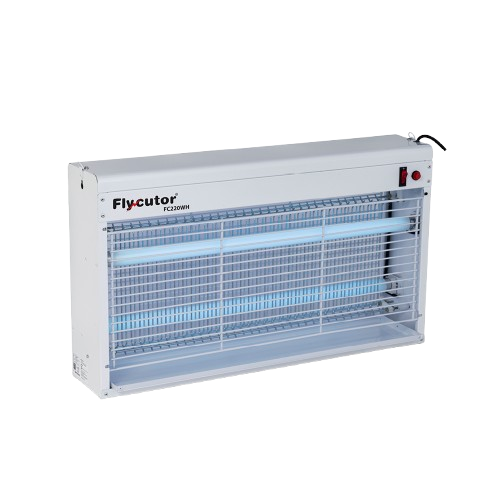
That’s why the Electric Insect Killer Machine is no longer “one more appliance.” In 2026, it’s becoming one of those things you don’t notice until it’s missing.
The real problem is bigger than a few flies
Honestly, it’s not just about killing insects. It’s about hygiene systems.
- Food safety and contamination control (especially in open-prep or packaging zones)
- Audit readiness (HACCP-style expectations and routine inspections)
- Brand reputation (because customers don’t separate “one fly” from “unsafe kitchen”)
- Operational calm (your team works better when there’s less nuisance and chaos)
At the end of the day, insects in a commercial space aren’t just irritating. They’re a signal that your barrier is leaking.
Why the old methods fail in 2026 settings
Let’s be real: the usual fixes feel satisfying, but they don’t scale.
- Sprays: quick relief, but not great around food-contact zones and sensitive environments
- Traditional “zap” units: they sound effective, but they can create insect fragments, exactly what hygienic spaces want to avoid
- DIY hacks: they work until peak season hits, deliveries increase, doors stay open longer and then the headache returns
Not just a pest problem, but a process problem.
The modern tool is evolving: the Electric Insect Killer Machine is getting “hygiene-smart”
Now, here’s the thing: in 2026, the Electric Insect Killer Machine category is splitting into two clear directions:
- Hygienic capture-focused systems (UV attraction + hidden glue boards)
- Legacy grid-zap systems (still used in some settings, but less preferred in food-sensitive zones)
Many professional pest control standards now favour glue-board insect light traps (ILTs) in hygiene-critical environments because they’re discreet, clean, and controlled.
They don’t scream for attention. They just work.
How it works (simple, practical, staff-friendly)
A typical modern Electric Insect Killer Machine setup works like this:
- Attract: UV/UV-A spectrum light draws flying insects toward the unit
- Contain: instead of “exploding” the insect, it captures it on a concealed glue board (in many hygienic designs)
- Maintain: replace glue boards and lamps on schedule
It sounds simple, but that predictability is exactly why commercial hygiene teams love it.
The 2026 trends you’ll see everywhere (and why they matter)
Trend A: Move from “zapping” to hygienic containment
So, here’s the thing: hygiene managers don’t just want fewer flies. They want zero fallout.
Glue-board capture designs reduce the risk of insect fragments and keep the entire story contained inside the unit—cleaner for kitchens, bakeries, pharmaceutical facilities, and packaging.
It’s not just about killing insects. It’s about controlling contamination pathways.
Trend B: UV-LED becomes the new default
In many markets, fluorescent lighting is being phased down, and UV fluorescent exemptions are being discussed/extended—so manufacturers and facilities are actively shifting toward LED-based solutions for longevity and energy benefits.
What this means for your Electric Insect Killer Machine decision:
- Lower power draw
- Less frequent replacements
- More stable performance in long operating hours (think 12–18 hours/day in commercial sites)
Trend C: Shatterproof, food-safe build is non-negotiable
In food environments, the concern isn’t only insects, but also breakage risk.
Many modern units focus on glass-free / shatterproof lamp designs and HACCP-friendly positioning and construction.
Not optional. Especially where audits are real and frequent.
Trend D: Quiet operation + discreet design (because customers are watching)
Restaurants, cafés, hospitals and retail food counters are places that can’t afford noisy, ugly solutions.
The Electric Insect Killer Machine is becoming more “silent guardian” than “bug gadget,” with discreet capture and quieter operation increasingly emphasized.
One of those things you don’t notice… until you walk into a place that doesn’t have it.
Trend E: Documentation-friendly pest control
If you’re in food processing, meat retail, or regulated environments, pest control is expected to be continuous and effective, not occasional and reactive.
In 2026, hygiene teams are choosing solutions that are easier to:
- log,
- maintain,
- show during inspections,
- and integrate into SOPs.
Because “we handle it when it happens” is no longer a strong answer.
Which of these 2026 trends are most relevant for
1. If you run a restaurant or a cloud kitchen
You need an Electric Insect Killer Machine that is discreet, easy to maintain, and aligned with hygiene expectations, especially in visible customer zones.
2. If you manage a warehouse / cold chain/packaging unit
You’re dealing with doors, movement, and air exchange all day. That means your insect control must be steady and scalable. Like a quiet warrior at your doorway, not a one-time fix.
3. If you’re in pharma/healthcare/labs
The tolerance for contamination risk is low. Capture-based, contained systems become the safer, calmer choice.
4. If you’re a hygiene-conscious homeowner
Even at home, chemical-free, low-maintenance control is trending, especially for kitchens and dining areas where sprays feel like a compromise.
How to choose the right Electric Insect Killer Machine in 2026
Now, if you’re evaluating options, use this checklist. It’ll save you money and headaches.
Ask these questions before you buy:
- Is it grid-zap or glue-board capture? (Food zones usually prefer contained capture.)
- Lamp type: UV fluorescent vs UV-LED (LED is increasingly the direction of travel)
- Build quality: shatterproof/glass-free options for food safety environments.
- Placement guidance: Will the supplier help you position it properly for best catch rates?
- Maintenance rhythm: how often are glue boards/lights replaced, and is it easy for staff to do correctly?
- Noise + aesthetics: especially for front-of-house or customer-facing spaces
Common mistakes we see (all the time)
- Buying a powerful unit and then mounting it where airflow and lighting make it ineffective
- Ignoring replacement schedules (performance drops quietly)
- Choosing the cheapest model for a high-risk zone, then paying later in complaints and rework
A Warm Closing Note (and a gentle next step)
If you’re thinking about upgrading your hygiene systems in 2026, start by treating the Electric Insect Killer Machine as part of your facility’s clean barrier strategy, not just a pest-control accessory. Not just fewer insects, but smoother operations. Not just compliance, but peace of mind. Not just “looks clean,” but is clean.
And if you want help choosing the right Electric Insect Killer Machine for your specific layout, be it a restaurant, warehouse, pharma unit, or even a high-standard home kitchen, we usually approach it like partners: understand the site, identify entry pressure points, and recommend what will quietly hold the line.
Because the best hygiene tools? They don’t scream for attention. They just work.
